


You found the house. Made an offer. Got it accepted.
Then the home inspection report came back. And there it is, a whole section on electrical issues. Words like “double-tapped breaker,” “open splice,” and “recommend evaluation by licensed electrician.”
Welcome to the handyman special.
Here in Charlotte, we see this all the time. Homes where a previous owner (or their “guy who knows electrical”) did some DIY wiring. It worked. The lights turned on. Nobody got shocked.
But it didn’t pass code. And now it’s your problem.
Let’s break down what those inspection flags actually mean, and how a residential electrician in Charlotte NC fixes them the right way.
What Is a “Handyman Special” Anyway?
Real estate agents use this term for homes that need work. Fixer-uppers. Diamonds in the rough.
But electricians use it differently.
To us, a handyman special is a house where someone who wasn’t a licensed electrician made electrical modifications. Could be the homeowner. Could be a general contractor. Could be the neighbor who “used to do this stuff.”.
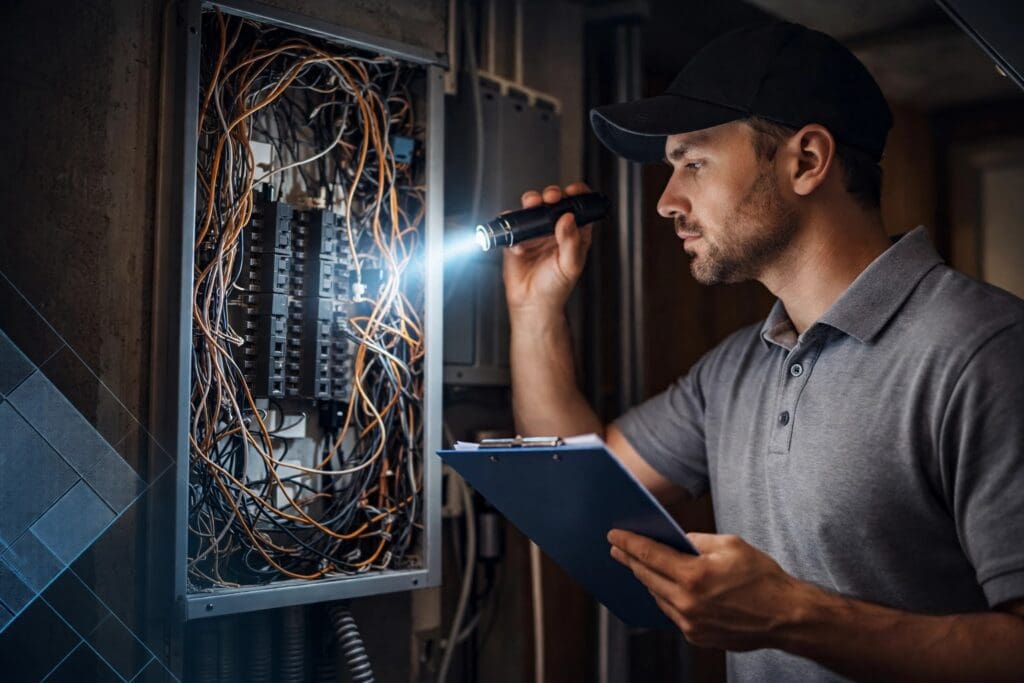
The work might look fine on the surface. But behind the walls and inside the panel? That’s where the problems hide.
Home inspectors are trained to find these issues. They use polarity testers, check junction boxes, and open up panels. When they find something wrong, they flag it.
And those flags end up on your report.
The Most Common Electrical Red Flags (And What They Mean)
Here’s what we see most often when Charlotte homeowners call us after getting their inspection reports back.
Double-Tapped Breakers
This is the big one. Shows up on reports constantly.
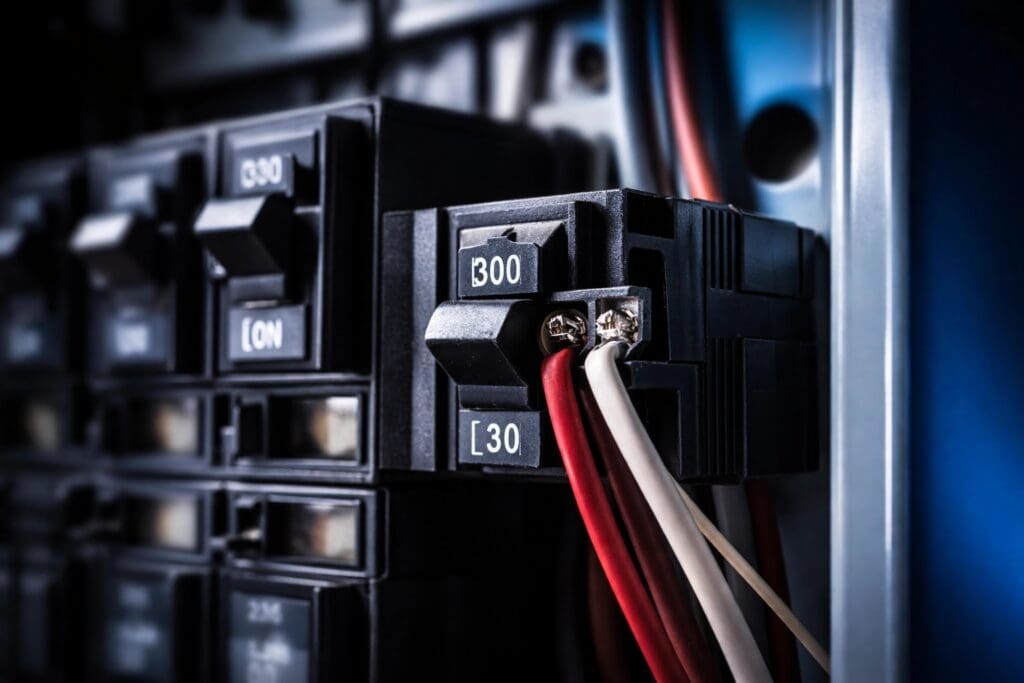
A double-tapped breaker means two wires are connected to a single breaker that’s only designed for one wire. Someone needed to add a circuit, didn’t want to add a new breaker, and just jammed another wire in there.
The problem: loose connections. Arcing. Heat buildup. Fire risk.
Most breakers aren’t rated for two wires. When you force it, the connection isn’t secure. Over time, it loosens. Sparks happen. Bad things follow.
The fix: Install proper breakers or add a tandem breaker if the panel allows it. Sometimes the panel needs an upgrade entirely.
Open Splices
Electrical connections need to be inside junction boxes. Always. No exceptions.
An open splice is a wire connection that’s just hanging out: in an attic, behind drywall, wherever. Maybe wrapped in electrical tape. Maybe not even that.
This is a fire hazard. Full stop.
The fix: Locate all open splices, install proper junction boxes, and make secure connections with wire nuts. Every single one.
Reversed Polarity
When you wire an outlet, the hot wire goes to one terminal and the neutral goes to another. Simple.
But DIYers get this backwards more often than you’d think. The outlet still works. Lamps turn on. But the polarity is reversed: and that creates a shock hazard.
Inspectors catch this with a simple plug-in tester. Three lights tell them exactly what’s wrong.
The fix: Rewire the affected outlets correctly. Takes a few minutes per outlet when you know what you’re doing.
Ungrounded Receptacles
Older Charlotte homes often have two-prong outlets. That’s expected.
What’s not expected: three-prong outlets that aren’t actually grounded. Someone swapped the outlet but never ran a ground wire. Now it looks modern but isn’t any safer.
Without a ground, electricity has nowhere to go during a fault. That means it goes through whatever’s nearby. Could be your appliance. Could be you.
The fix: Run proper ground wires or install GFCI protection. Depends on the situation and what code allows.
Unbonded Electrical Panel
This one sounds technical. Here’s the simple version.
Your electrical panel has a neutral bus bar. It needs to be bonded (connected) to the panel enclosure with a specific screw. This gives fault current a safe path back to the source.
When handyman electricians install panels, they sometimes forget this step. Or they don’t know it exists.
The fix: Install the bonding screw. Takes about two minutes: if you know where it goes.
Loose or Disconnected Ground Wires
Sometimes the ground wire is there. It’s just not connected.
We open up outlets and find ground wires tucked in the back of the box, not attached to anything. The outlet tests as ungrounded even though the wire exists.
The fix: Connect the ground wire to the outlet’s ground terminal. Simple repair, but it needs to be done at every affected outlet.
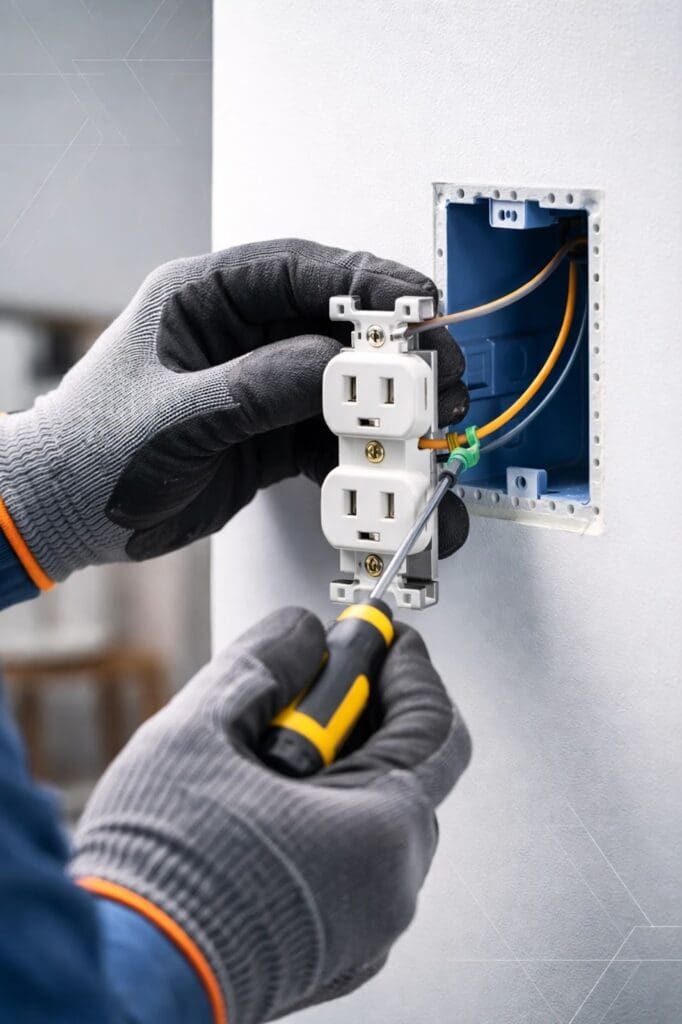
Why Does DIY Electrical Work Fail Inspection?
Three reasons.
No permits. When licensed electricians do work, we pull permits. The city inspects the work. It gets signed off. There’s a paper trail proving it was done to code.
DIY work skips all that. No permit means no inspection. No inspection means no verification. Home inspectors see unpermitted work and flag it automatically.
No training. Electrical code exists for a reason. It’s based on decades of fire investigations, shock incidents, and engineering research. Licensed electricians study this. We pass exams on it. We keep up with code changes.
YouTube doesn’t cover all that. Neither does “common sense.”
No accountability. When we do work, our license is on the line. We carry insurance. If something goes wrong, there’s recourse.
When your buddy does it for a case of beer? There’s nothing. If it causes a fire five years later, that’s on you.
The Real Cost of Ignoring These Issues
Some buyers see electrical flags and think “I’ll deal with it later.”
Here’s what that actually looks like:
Insurance problems. Some carriers won’t insure homes with known electrical defects. Others will: but they’ll exclude electrical fires from coverage. Read your policy carefully.
Resale headaches. Whatever you ignore now, the next buyer’s inspector will find. You’ll either fix it then or negotiate a lower price.
Safety risks. Electrical fires kill people. Shocks kill people. This isn’t about passing inspection. It’s about keeping your family safe in the house you’re buying.
Higher repair costs. Small problems become big problems. A double-tapped breaker today could mean a panel replacement in five years when the damage spreads.
Fix it now. Fix it right. Move on.
How We Fix It For Real
At Patterson Contracting Services, we handle inspection report repairs every week. Here’s our process.
Step one: Review your report. Send us the electrical section. We’ll tell you exactly what each item means and what it takes to fix.
Step two: On-site evaluation. We come out and look at everything in person. Sometimes inspectors miss things. Sometimes they flag things that aren’t actually problems. We give you the full picture.
Step three: Provide options. Some repairs are straightforward. Others have multiple solutions at different price points. We explain your choices clearly.
Step four: Do the work. Our licensed electricians make repairs to current code. We pull permits when required. We do it right.
Step five: Documentation. You get paperwork showing what was done. This satisfies your lender, your insurance company, and your peace of mind.
No shortcuts. No “good enough.” Just proper electrical work from a residential electrician in Charlotte NC who does this every day.
Got Flags on Your Inspection Report?
Don’t panic. Don’t try to fix it yourself. Don’t let it kill your deal.
Contact Patterson Contracting Services for an electrical inspection in Charlotte. We’ll review your report, evaluate the issues, and give you a clear path forward.
Whether you’re buying, selling, or just want to know what’s actually going on behind your walls: we’re here to help.
Call us today. Let’s get your electrical sorted out the right way.