

Most Charlotte homeowners think upgrading their lighting means gutting rooms and spending thousands. That’s not true.
Smart lighting upgrades deliver major impact without major expense. You can transform how your home looks and feels, reduce energy bills, and increase property value with strategic, budget-conscious changes.
Here are five steps to upgrade your Charlotte home’s lighting without breaking the bank.
Step 1: Convert to LED Throughout Your Home
This is the fastest, easiest, and most cost-effective lighting upgrade you can make.
LED bulbs use approximately 85% less energy than traditional incandescent bulbs. They last 15-25 times longer. And they’ve come down dramatically in price over the past few years.
Why LEDs matter for Charlotte homes:
Your electric bill. Charlotte summers mean air conditioning running constantly. The last thing you need is lighting that generates heat and drives up cooling costs. LEDs run cool and slash energy consumption.
Longer lifespan means fewer replacements. Incandescent bulbs burn out every 1,000 hours. Quality LEDs last 25,000-50,000 hours. That’s years of use without climbing a ladder to change bulbs.
Better light quality. Modern LEDs offer warm, natural light that rivals traditional bulbs. You’re not stuck with that harsh, cold light from early LED technology.
Where to start:
Replace your most-used lights first. Kitchen, living room, bathrooms, and outdoor fixtures get the most use and deliver the fastest payback on LED conversion.
Match color temperature to the room. Use warm white (2700K-3000K) for living spaces and bedrooms. Use bright white (3500K-4100K) for kitchens and workspaces. Use daylight (5000K-6500K) for garages and outdoor security lighting.
Consider smart LED bulbs for rooms where you want dimming or color control without rewiring. These connect to your phone and cost only slightly more than standard LEDs.
Step 2: Install Dimmer Switches and Smart Controls
Here’s a secret: changing how you control your lights often matters more than changing the lights themselves.
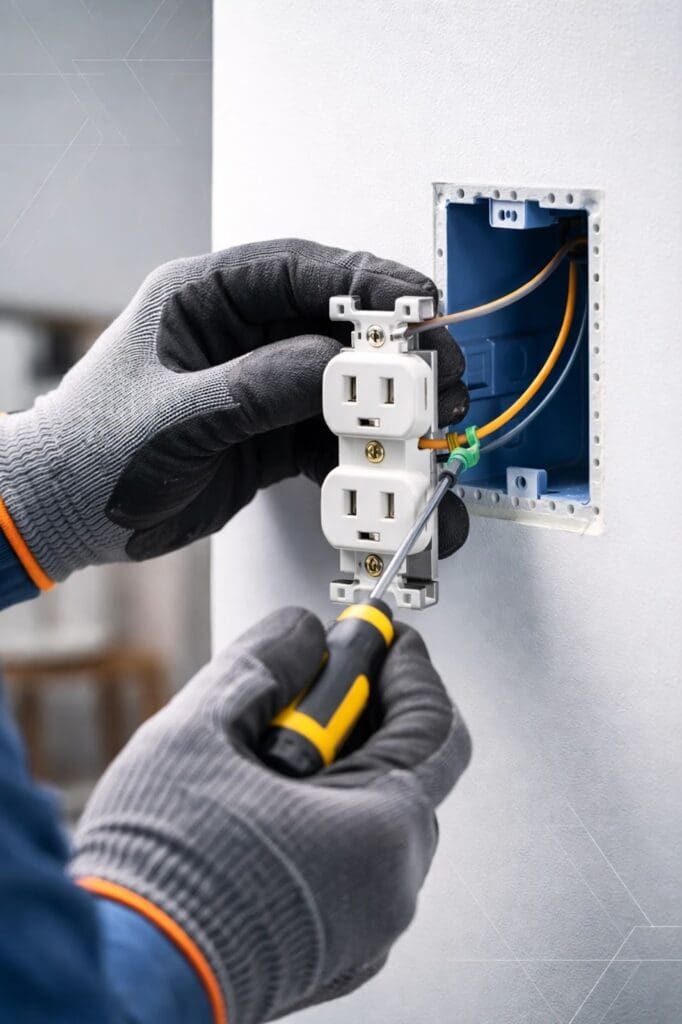
A basic dimmer switch costs $15-30. Installation takes 15 minutes for a licensed electrician. But the impact is immediate and dramatic.
What dimmers do for your home:
Mood and ambiance. Bright overhead lighting is harsh for watching TV or entertaining. Dimmed lighting creates atmosphere without buying new fixtures.
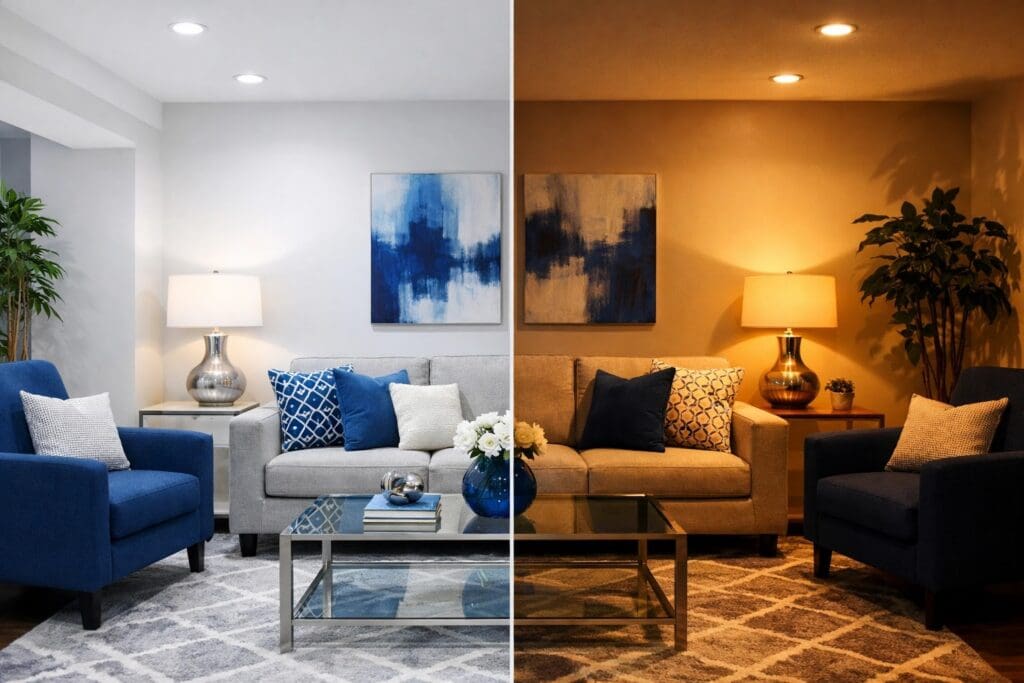
Energy savings. Dimming lights by just 25% cuts energy use by approximately 20% and extends bulb life significantly.
Flexibility. Morning coffee needs different lighting than evening wine. Dimmers let you adjust for time of day, activity, and mood.
Smart switch upgrades:
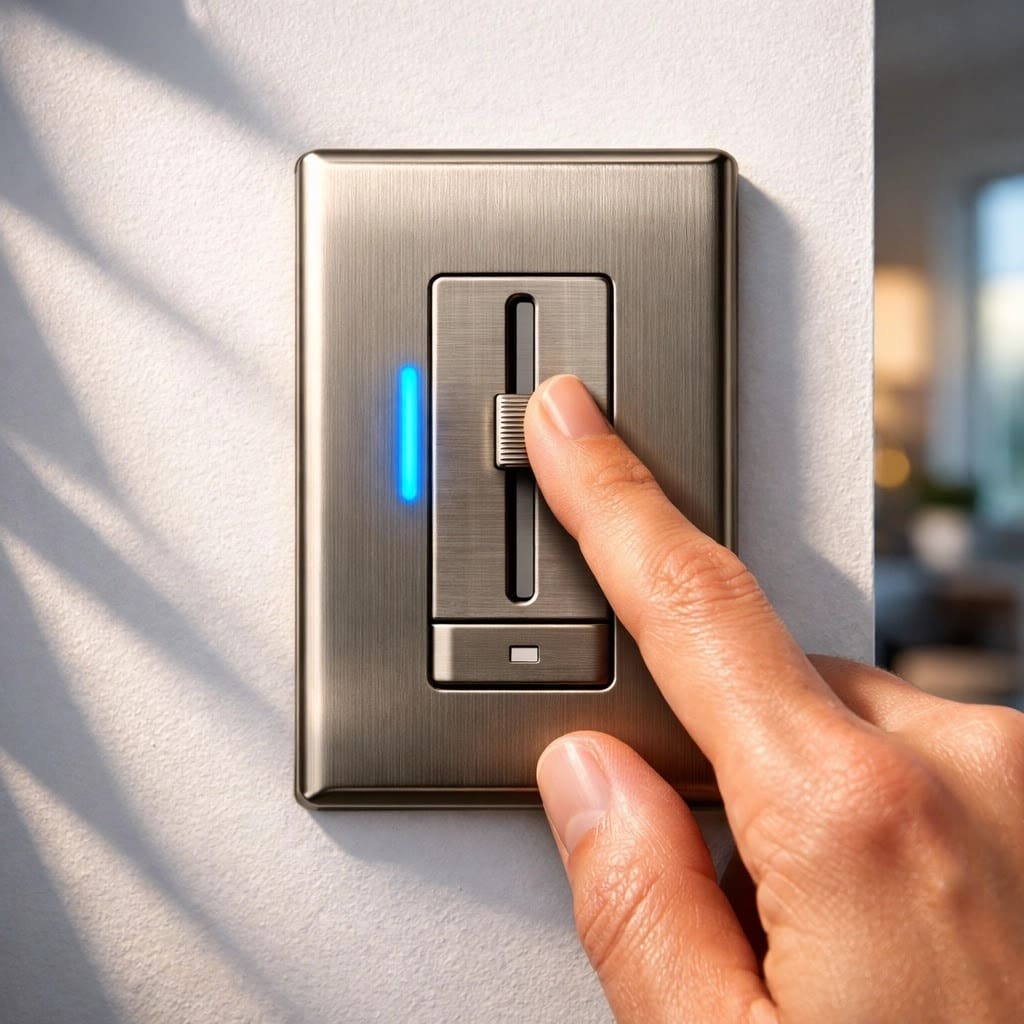
Smart dimmer switches connect to your phone, voice assistant, or home automation system. They cost $40-80 each and offer features like:
- Scheduling lights to turn on/off automatically
- Creating lighting scenes for different activities
- Remote control from anywhere
- Integration with motion sensors and other smart home devices
Where to install dimmers:
Dining room. This is the most impactful location for a dimmer. Bright for homework, dimmed for dinner parties.
Living room. Overhead lighting that dims lets you adjust for TV watching, reading, or entertaining.
Bedrooms. Dimmed lights before bed help you wind down. Full brightness in the morning helps you wake up.
Kitchen. Dimmers over islands or breakfast areas create flexibility. Bright for cooking, dimmed for casual meals.
For professional lighting installation in Charlotte NC, contact a licensed electrician who can install dimmers that work properly with your existing fixtures and LED bulbs.
Step 3: Add Strategic Recessed Lighting
Recessed lighting sounds expensive. It can be. But strategic placement of just a few recessed lights delivers outsized impact for reasonable cost.
Why recessed lighting works:
Clean, modern look. Recessed lights disappear into the ceiling. No bulky fixtures, no visual clutter.
Focused illumination. Recessed lights put light exactly where you need it: kitchen counters, reading nooks, artwork, architectural features.
Increased home value. Quality recessed lighting is a premium feature buyers notice and appreciate.
Budget-friendly recessed lighting strategies:
Start with high-impact areas. You don’t need to light the entire house with recessed fixtures. Add 3-4 lights in key locations:
- Over kitchen islands or peninsulas
- In dark hallways or entryways
- Above bathroom vanities
- Highlighting artwork or architectural features
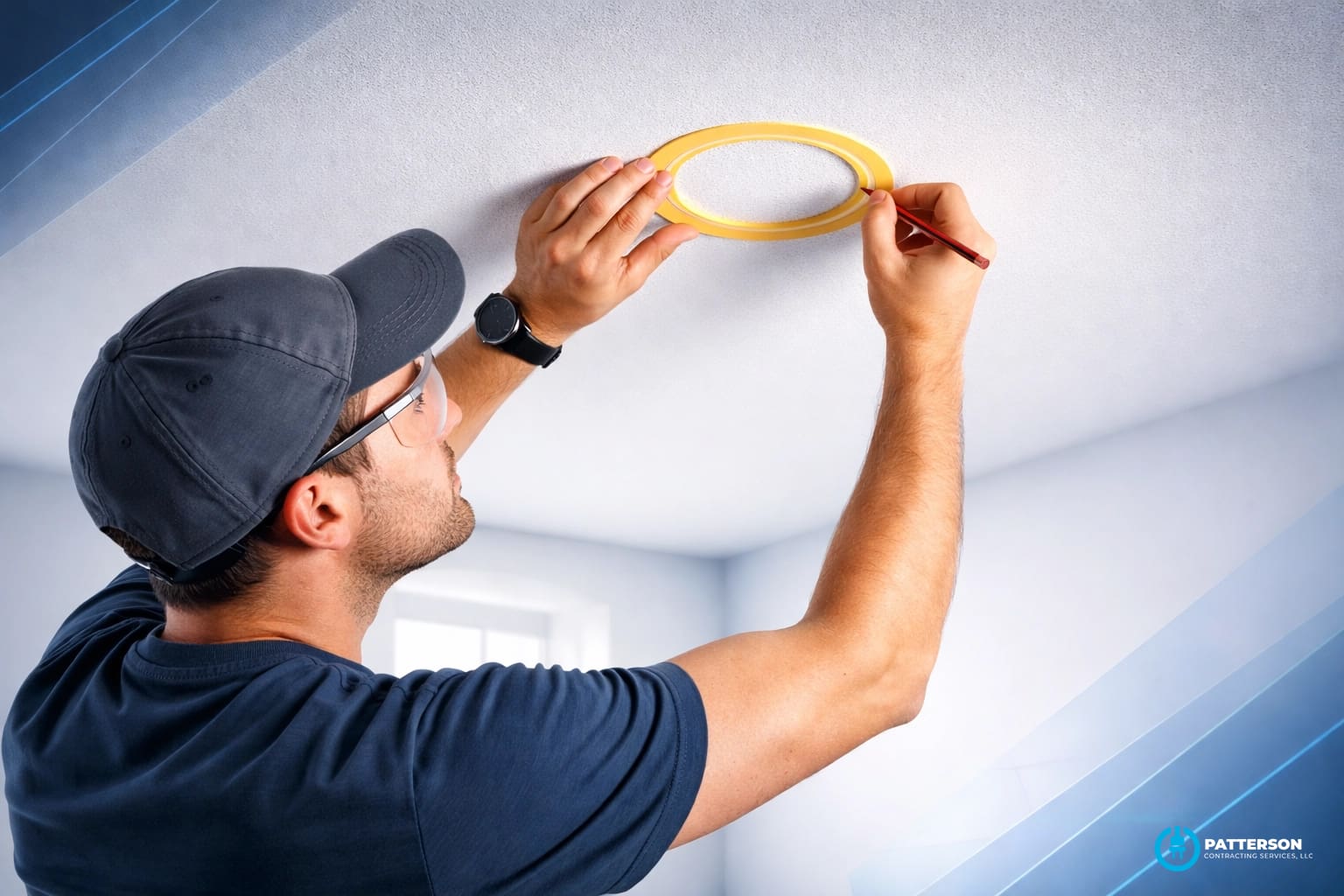
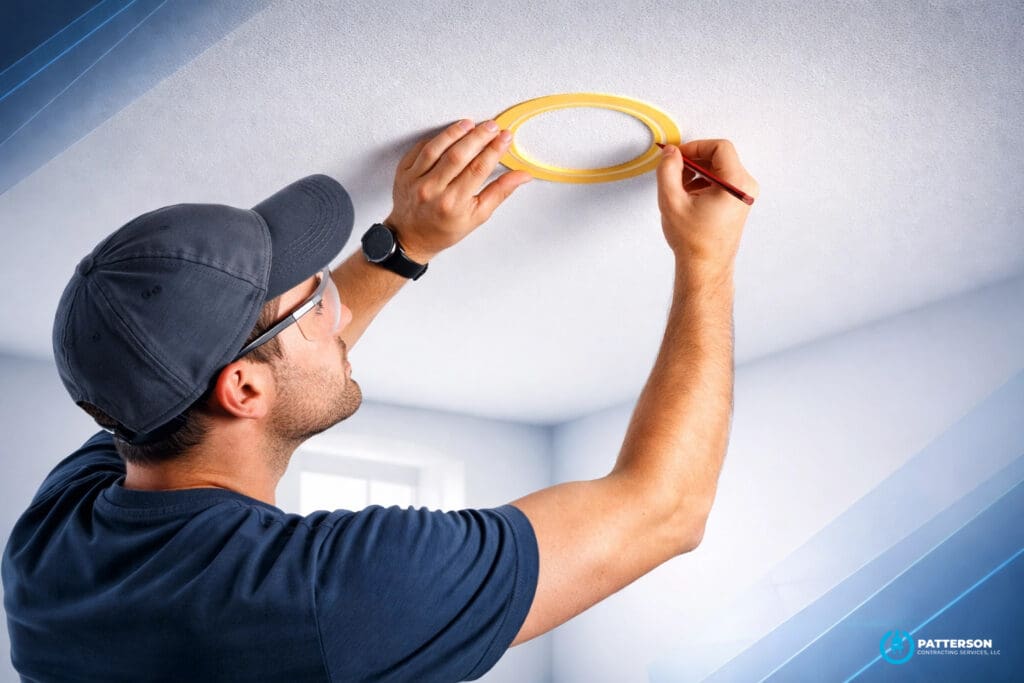
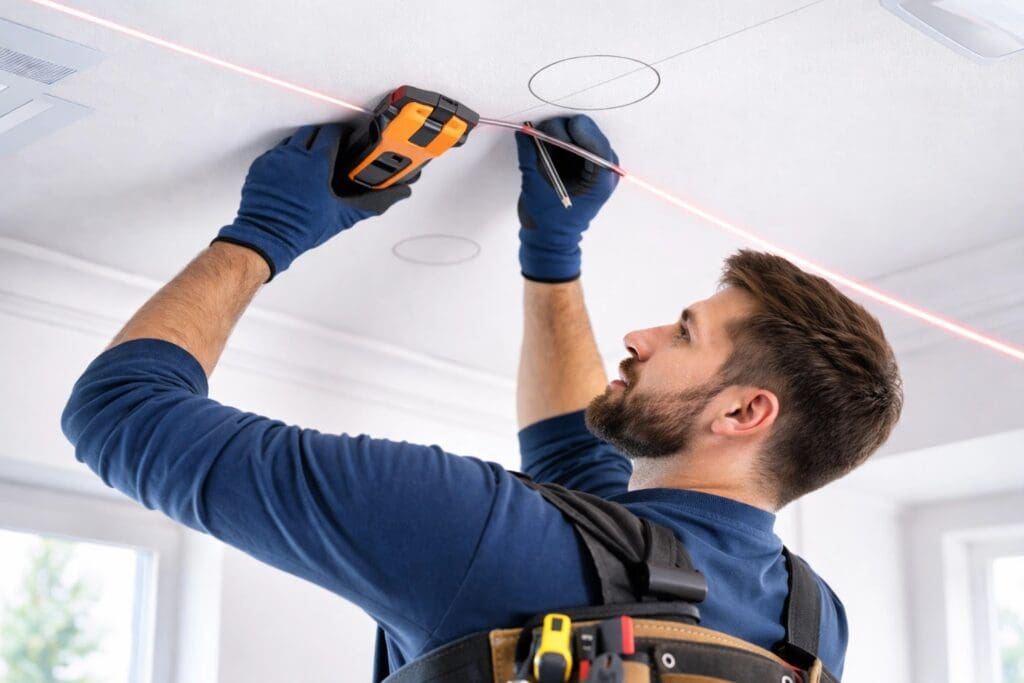
Use retrofit LED cans. These install into existing ceilings without major construction. A licensed electrician can typically install retrofit recessed lights in 1-2 hours per fixture, depending on attic access and wiring runs.
Combine with existing lighting. Recessed lights work best as part of a layered lighting strategy. Use them to supplement overhead fixtures, not replace everything.
Charlotte-specific considerations:
Older Charlotte homes often have limited ceiling access. Retrofit recessed lighting solves this problem without tearing out ceilings.
Many Charlotte neighborhoods have strict exterior modification rules. Interior recessed lighting installation in Charlotte NC improves your home without triggering HOA approvals.
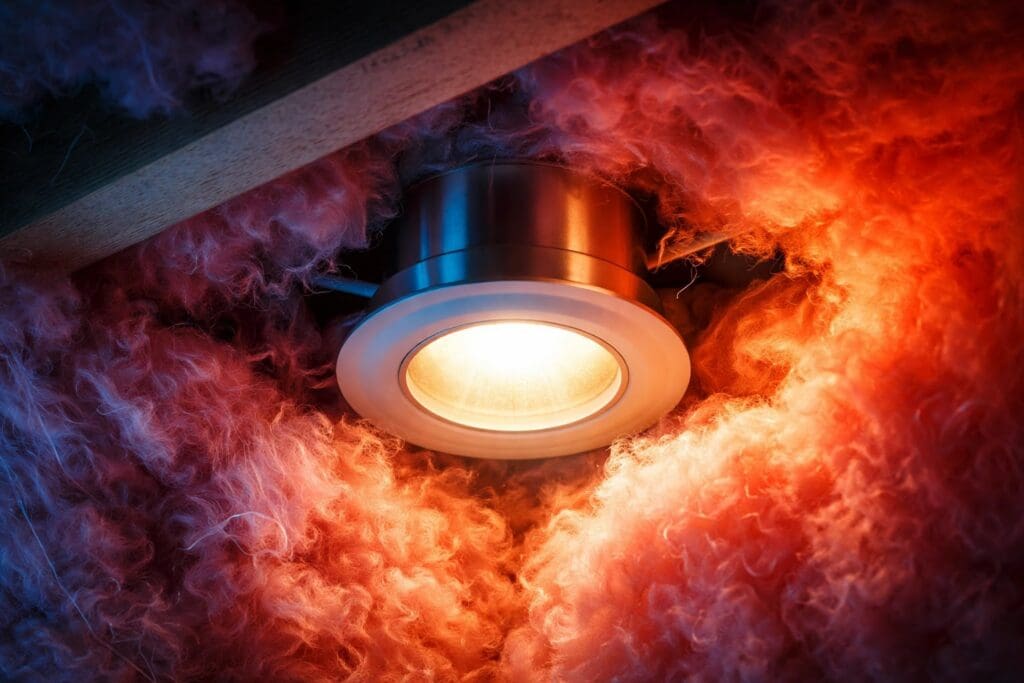
Proper installation requires code compliance, especially regarding insulation contact and fire ratings. Licensed professionals ensure recessed lights meet Charlotte electrical codes.
Step 4: Layer Your Indoor Lighting
The biggest lighting mistake homeowners make: relying on a single overhead fixture per room.
Professional lighting design uses layers: ambient, task, and accent lighting. You can achieve this layered approach on a budget.
Ambient lighting:
This is your general, overall room lighting. Ceiling fixtures, recessed lighting, and wall-mounted fixtures provide ambient light.
Budget approach: Update existing ceiling fixtures with modern, efficient options. A new fixture costs $50-200 and transforms a room’s appearance.
Task lighting:
This is focused light for specific activities: reading, cooking, applying makeup, working at a desk.
Budget approach: Add under-cabinet lighting in kitchens ($30-100 for LED strips). Install swing-arm reading lights in bedrooms ($40-80 each). Add vanity lighting in bathrooms ($50-150).
Accent lighting:
This highlights architectural features, artwork, or creates visual interest.
Budget approach: Use affordable track lighting ($60-150) to highlight art or architectural details. Add LED strip lights ($20-50) under shelves or behind TVs for subtle accent lighting.
Practical layering strategy:
Start with one room. Create a properly layered lighting scheme in your most-used space: kitchen, living room, or master bedroom.
Combine new and existing. Keep overhead ambient lighting. Add task lights where needed. Include one or two accent elements.
Use different light sources at different times. Morning might use bright overhead lights. Evening might use just task and accent lights for a completely different feel.
The goal isn’t to light every corner. It’s to have options and flexibility based on how you’re using the space.
Step 5: Don’t Forget Outdoor Lighting
Outdoor lighting delivers the highest return on investment of any lighting upgrade. It improves curb appeal, increases security, and extends your usable living space.
Budget-friendly outdoor lighting upgrades:
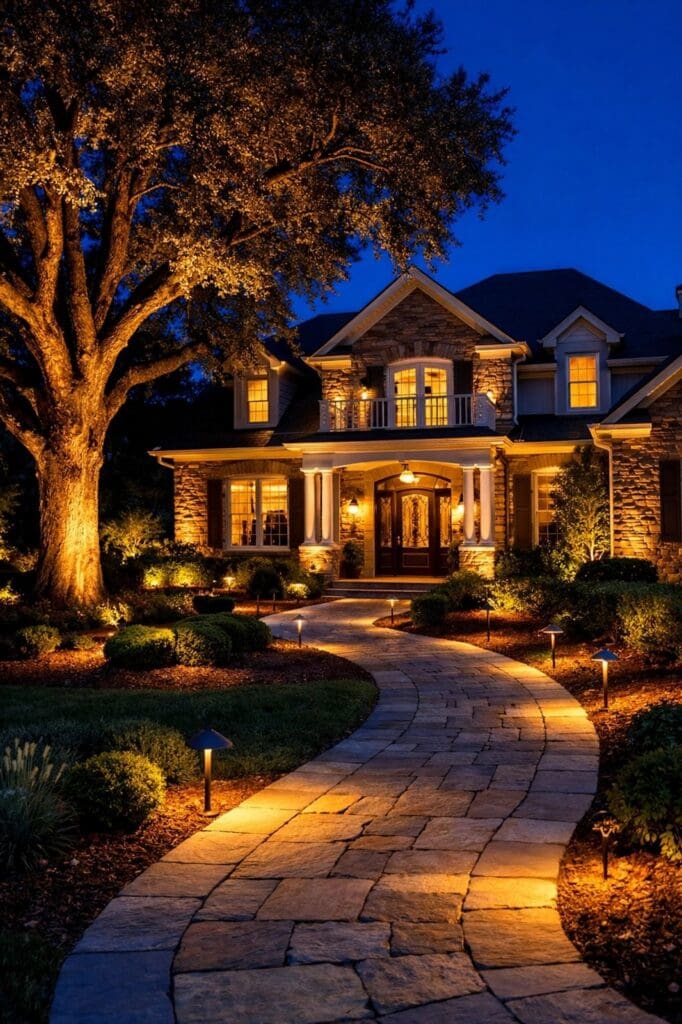
LED pathway lights. Solar-powered LED path lights cost $5-15 each and require zero installation. Place them along walkways, driveways, or garden beds for instant impact.
Updated porch and entry fixtures. Replacing dated outdoor fixtures costs $50-200 per light. This simple change dramatically improves your home’s first impression.
Motion-activated security lights. LED motion sensors cost $20-60 and install easily on existing electrical boxes. They improve security and save energy by only running when needed.
Landscape spotlights. Low-voltage LED landscape lights ($15-40 each) highlight trees, architecture, or garden features. They transform your yard at night for minimal cost.
Where to focus outdoor lighting:
Front entry. This is non-negotiable. Quality lighting at your front door improves safety, security, and curb appeal.
Pathways and steps. Illuminate walking paths to prevent trips and falls. This is especially important for Charlotte’s older neighborhoods with uneven sidewalks.
Outdoor living spaces. If you have a deck, patio, or outdoor seating area, proper lighting extends its usability into evening hours.
Professional outdoor lighting installation:
While DIY solar lights work for pathways, hardwired outdoor lighting requires professional installation. Licensed electricians ensure:
- Proper weatherproof connections
- GFCI protection where required
- Correct wire burial depth
- Code-compliant fixtures and placement
For comprehensive lighting installation in Charlotte NC that includes both indoor and outdoor upgrades, working with professionals ensures quality results that last.
Making Your Lighting Upgrade Plan Work
You don’t need to do everything at once. Here’s how to prioritize:
Phase 1 (Immediate, low cost):66
- Convert high-use bulbs to LED
- Add dimmer switches in 2-3 key rooms
- Update front entry lighting
Phase 2 (3-6 months):
- Install recessed lighting in 1-2 high-impact locations
- Add task lighting where needed
- Upgrade indoor fixtures in main living spaces
Phase 3 (6-12 months):
- Complete outdoor lighting scheme
- Add accent and decorative lighting
- Install smart controls for whole-home integration
This phased approach spreads costs over time while delivering continuous improvements to how your home looks and functions.
Why Professional Installation Matters
Some lighting upgrades are DIY-friendly. Changing bulbs and plugging in lamps don’t require an electrician.
But many upgrades do:
- Dimmer switch installation
- Recessed lighting
- Hardwired outdoor fixtures
- Any new circuits or wiring
- Smart lighting integration
Licensed electricians ensure work meets Charlotte electrical codes, passes inspections, and operates safely. They complete installations faster and correctly the first time.
At Patterson Contracting Services, we help Charlotte homeowners create lighting plans that fit their budget and deliver maximum impact. We can handle everything from simple dimmer installation to complete indoor and outdoor lighting transformations.
Start With One Room
The easiest way to begin: pick one room and upgrade it completely.
Convert to LED. Add a dimmer. Install task lighting where needed. Maybe add 2-3 recessed lights. Update the main fixture.
Live with that room for a few weeks. Notice how it feels different. How you use it more. How much better it looks.
Then move to the next room.
Before you know it, you’ve transformed your entire home’s lighting without ever writing a massive check or enduring a major renovation.
Ready to upgrade your Charlotte home’s lighting? Contact us to discuss your project. We’ll help you create a plan that delivers the results you want at a price that works for your budget.