
You’re in the middle of making dinner. The microwave is running. The air fryer is doing its thing. You flip on the kitchen light and: click. Everything goes dark.
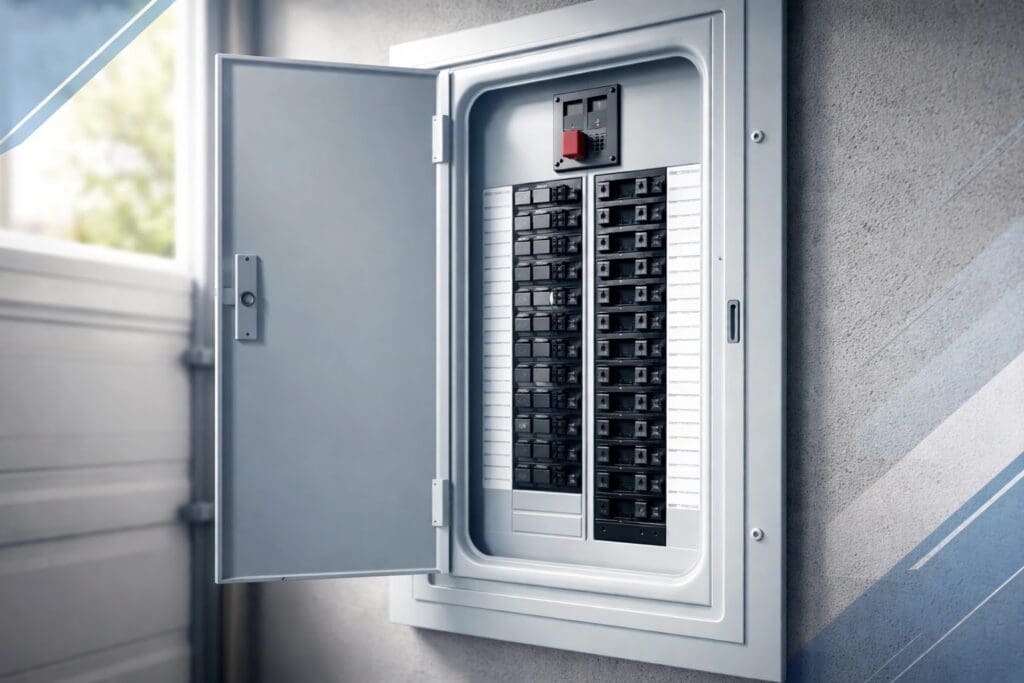
You head to the garage, find the electrical panel, flip the breaker back, and get on with your evening.
Sound familiar?
Most Charlotte homeowners have done this at least once. Probably more. But here’s what most people don’t realize: that breaker didn’t trip to ruin your night. It tripped to protect your home. And possibly your life.
Your Electrical Panel Isn’t the Problem. It’s the Solution.
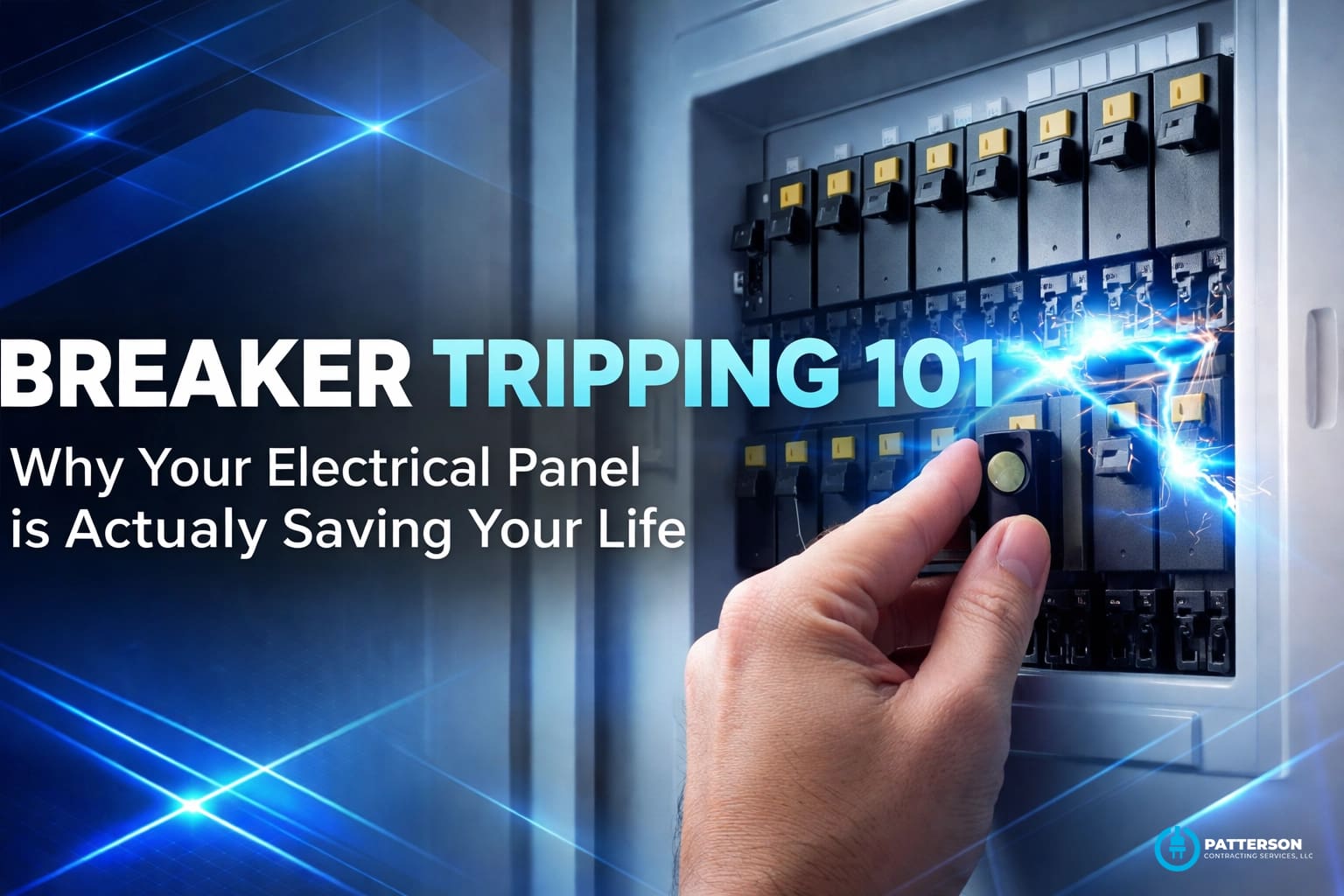
Think of your circuit breaker like a bodyguard. Its entire job is to watch the electrical current flowing through your home and step in the moment something looks dangerous.
Inside each breaker is a mechanism that monitors electricity. When current exceeds safe levels, the breaker trips. It cuts power instantly. No hesitation.
This happens in a fraction of a second. Before wires overheat. Before insulation melts. Before a fire starts inside your walls where you can’t see it.
That annoying trip to the garage? That’s your electrical system doing exactly what it’s supposed to do.
The Three Main Reasons Breakers Trip
Not all trips are created equal. Understanding why your breaker tripped helps you know what to do next.
1. Overloaded Circuit
This is the most common culprit. An overload happens when you’re pulling more electricity through a circuit than it’s designed to handle.
Picture it like a highway. Your circuit has a certain number of lanes. Plug in too many devices, and you’ve got a traffic jam. The breaker trips to prevent the “road” (your wiring) from overheating.
Common scenarios:
- Running multiple high-draw appliances on one circuit
- Space heaters in winter
- Window AC units in summer
- Too many devices plugged into one outlet via power strips
The fix is usually simple. Spread your devices across different circuits. Or upgrade your electrical panel to handle modern power demands.
2. Short Circuit
This one is more serious.
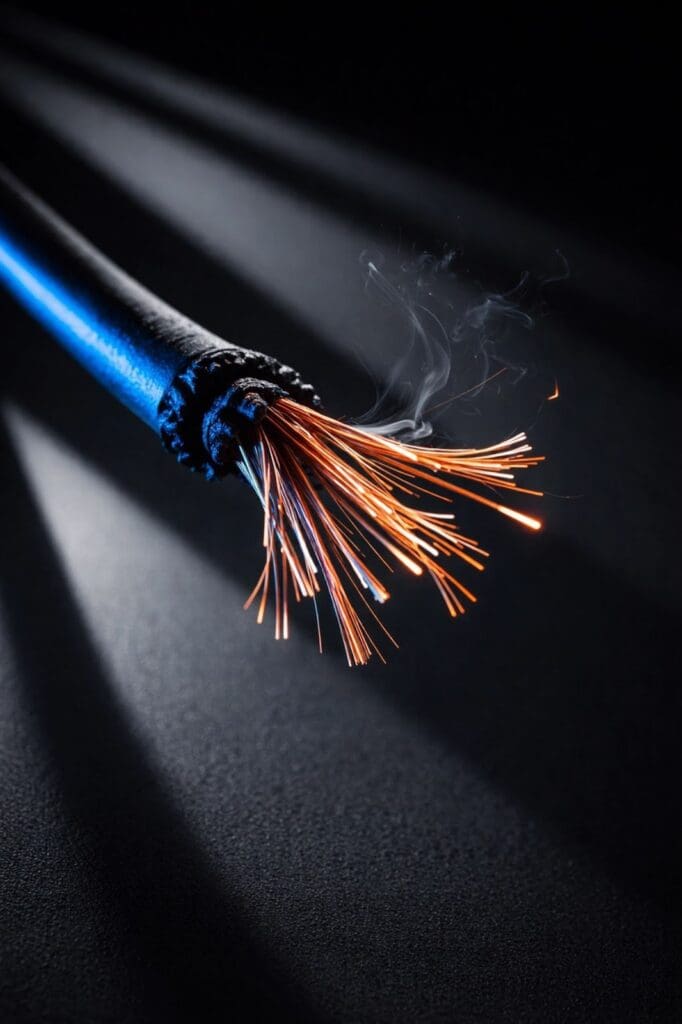
A short circuit occurs when a hot wire touches a neutral wire. This creates a sudden surge of electricity with very little resistance. The result? A massive spike in current that generates heat almost instantly.
Short circuits can happen from:
- Damaged or frayed wiring
- Loose connections
- Faulty appliances
- Rodents chewing through wire insulation
If you reset a breaker and it trips immediately, you likely have a short circuit. Don’t keep resetting it. Call an electrician.
3. Ground Fault
Ground faults are similar to short circuits but involve the hot wire touching a ground wire or a grounded part of your system (like a metal outlet box).
These are especially dangerous in areas with moisture: bathrooms, kitchens, garages, outdoor spaces. Water increases conductivity, which increases the risk of electrical shock.
That’s why code requires GFCI outlets in these areas. They detect ground faults and cut power in milliseconds. But your main breaker panel serves as a backup line of defense.
The Danger of the “Just Reset It” Approach
Here’s where things get risky.
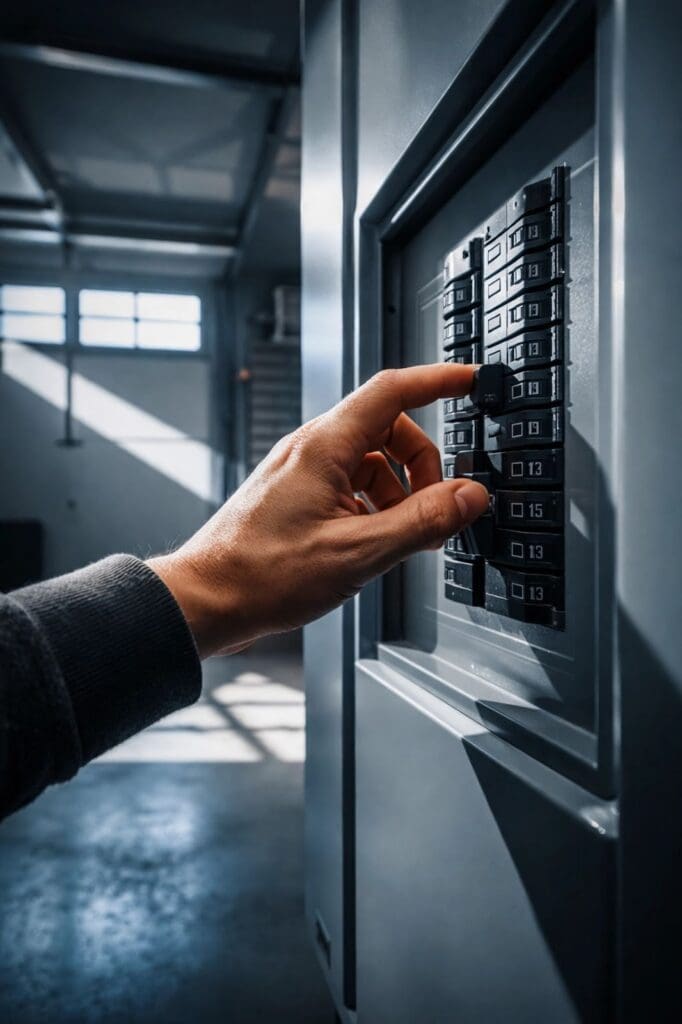
Many homeowners treat a tripped breaker like a minor inconvenience. Flip it back. Move on. Problem solved.
But if your breaker keeps tripping, that’s not a faulty breaker. That’s your electrical system waving a red flag.
Repeatedly resetting a tripping breaker without addressing the cause is dangerous. Here’s why:
Wires overheat. Each time you force current through a compromised circuit, you’re pushing wires closer to their limit. Insulation can melt. Connections can loosen. Heat builds up inside your walls.
Fire risk increases. Electrical fires often start where you can’t see them: inside walls, in attics, behind outlets. By the time you notice, it’s too late.
The breaker itself can fail. Breakers wear out over time, especially when they’re tripping repeatedly. A worn breaker may eventually fail to trip when it should. That’s when real damage happens.
You could get shocked. If there’s a ground fault or short circuit and you keep resetting the breaker, you’re exposing yourself (and your family) to shock hazards every time you use that circuit.
Signs You Need Professional Help
Some situations call for a licensed electrician. Don’t ignore these warning signs:
- A breaker trips repeatedly, even after you’ve reduced the load
- You smell burning or notice a burnt odor near the panel
- The breaker feels hot to the touch
- You see scorch marks or discoloration on the panel
- The breaker won’t stay in the “on” position
- Lights flicker throughout your home
- You hear buzzing or crackling sounds from the panel
Any of these symptoms indicate a problem that goes beyond a simple overload. You need someone who can diagnose the root cause and fix it safely.
What Happens During an Electrical Panel Inspection
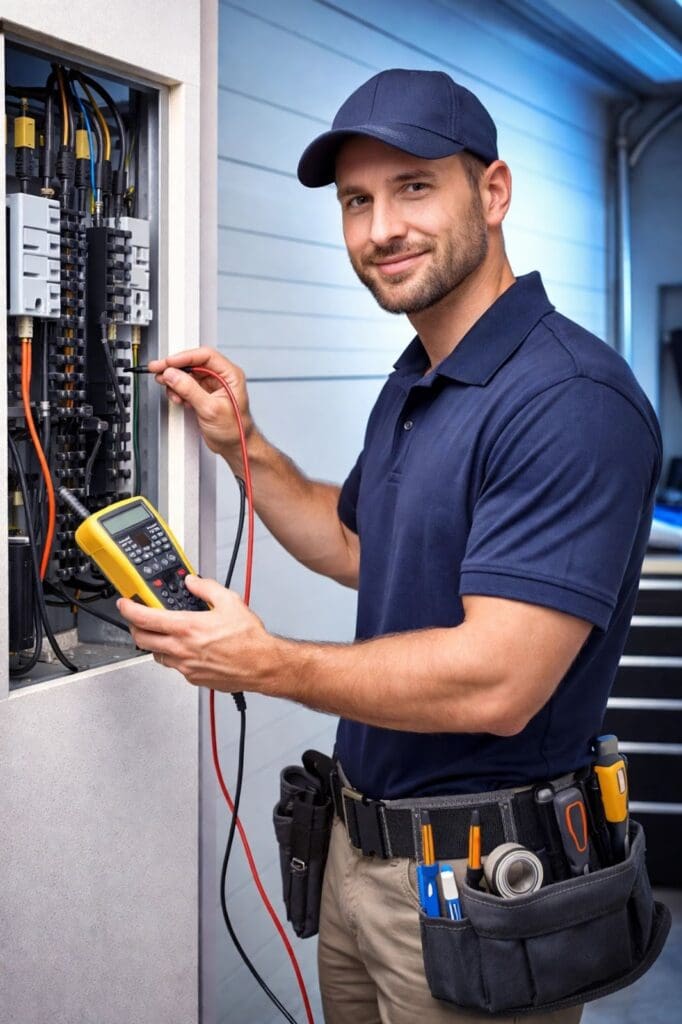
When you call for electrical panel service in Charlotte NC, here’s what a professional will typically do:
- Visual inspection. Check for obvious signs of damage, corrosion, or improper wiring.
- Load analysis. Determine if your panel is handling more than it’s rated for.
- Breaker testing. Verify that each breaker trips properly and isn’t worn out.
- Connection check. Tighten loose terminals and look for signs of arcing.
- Code compliance review. Make sure your panel meets current electrical codes.
If your panel is outdated or undersized for your home’s needs, the electrician may recommend an upgrade. Older homes in Charlotte often have 100-amp panels that struggle to keep up with modern appliances, EV chargers, and HVAC systems.
Older Panels Need Extra Attention
If your home was built before the 1990s, your electrical panel might be due for a closer look.
Some older panels have known safety issues. Federal Pacific and Zinsco panels, for example, have documented failure rates. Breakers in these panels may not trip when they should, leaving your home unprotected.
Even if your panel brand isn’t on the “problem list,” age matters. Components degrade. Connections loosen. Technology improves. A panel inspection every few years is a smart move for any Charlotte homeowner.
The Bottom Line
Your circuit breaker isn’t your enemy. It’s one of the most important safety devices in your home. Every trip is a message: something needs attention.
Listen to it.
Don’t just reset and forget. If your breaker keeps tripping, find out why. Reduce the load. Check for damaged appliances. And if the problem persists, call a professional.
Ignoring a tripping breaker doesn’t make the problem go away. It just lets the problem grow until it becomes something much worse.
Need an Electrician in Charlotte NC?
If your breaker keeps tripping or your panel is showing signs of wear, Patterson Contracting Services can help. We offer electrical panel troubleshooting and service for homeowners throughout the Charlotte area.
No scare tactics. No upselling. Just honest answers and safe solutions.